
Planning a renovation around where your family is right now is a common mistake. Kids get older, needs shift, and the playroom that made sense three years ago now sits empty. Smart families think ahead. They renovate not just for today but for the life they’re building over the next ten years. That’s what separates a rushed remodel from a truly future-proof home.
The Real Cost of Not Planning Ahead
Most families renovate reactively. The kitchen gets too small, so they expand it. The kids share a room, so they add one. Each project feels urgent in the moment but disconnected from the bigger picture. This approach costs more over time and often creates spaces that need to be redone sooner than expected.
A thoughtful custom home renovation in Toronto starts with a ten-year lens. It asks not just what your family needs now, but what you’ll need when your toddler becomes a teenager, or when a parent moves in, or when you need a home office that actually works.
Start With How Your Family Actually Lives
Before touching a single wall, map out your daily life. Think about where the bottlenecks happen. Is it the single bathroom in the morning rush? The kitchen where everyone crowds but only one person cooks? The living room that doubles as a homework station, a playroom, and a movie theatre?
Identifying these pain points gives the renovation real direction. Next, think five to ten years ahead. A baby needs a nursery today but a study nook in eight years. A home that grows alongside your children saves you from constant, costly upgrades down the road.
Flexible Rooms Are the Future of Family Homes
Rigid, single-purpose rooms are becoming outdated. Growing families need spaces that can shift as life changes. A guest room that doubles as a home office, a basement that can go from a play area to a teen hangout to a rental suite, these are the kinds of flexible layouts that add long-term value.
For example, installing a Murphy bed in a spare room gives you a functional office during the week and a guest bedroom on weekends. In addition, building in extra closet space and modular shelving means the room can adapt to whatever the next chapter brings, without a full renovation.
Kitchen Design That Grows With the Family
The kitchen is the heart of a family home, and it takes the hardest beating. Growing families need kitchens that can handle the chaos of school lunches, weekend cooking, and everything in between. A well-designed kitchen for a growing family should think about more than just counter space.
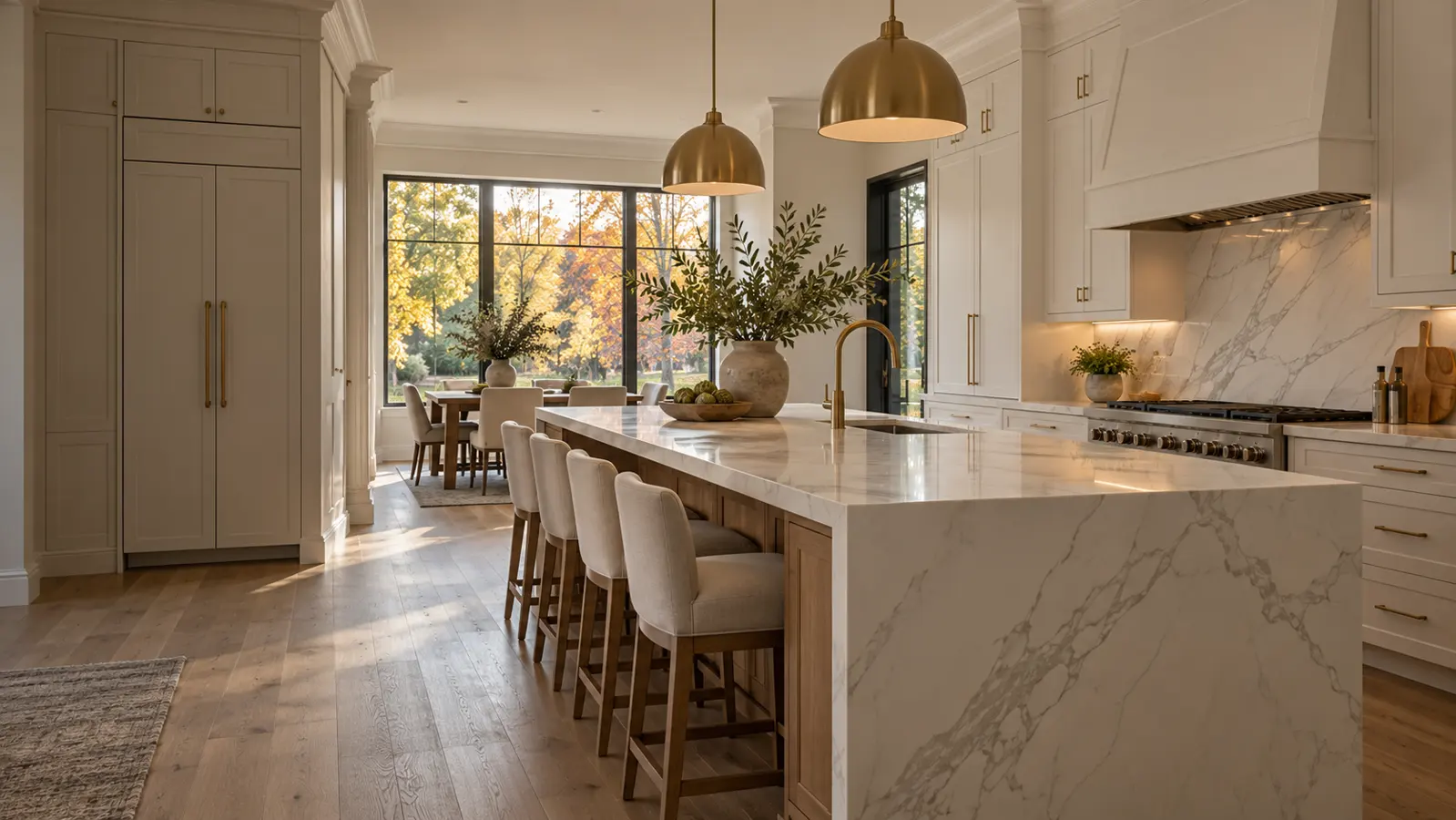
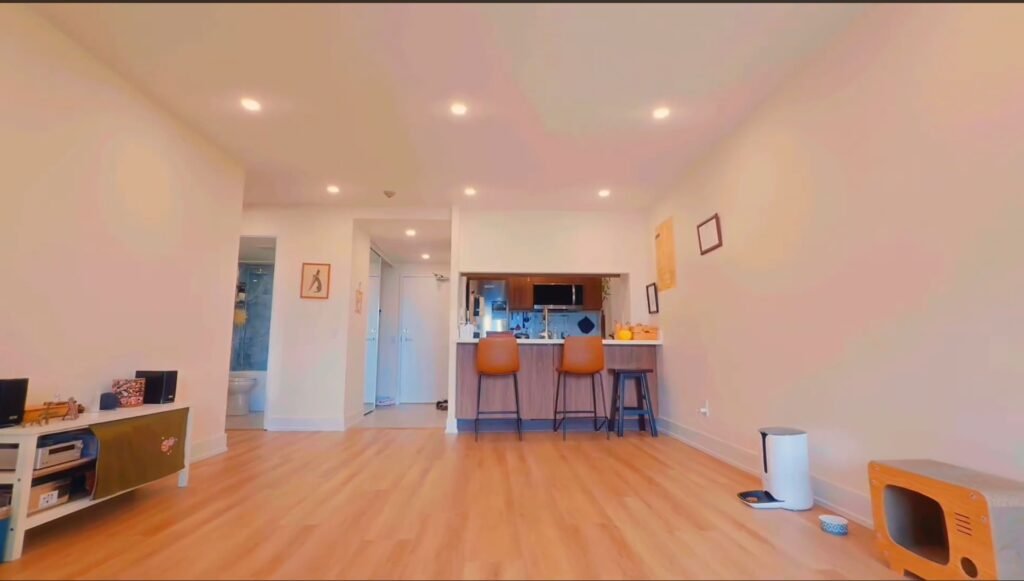
Consider a large island with seating on both sides. This creates a natural homework and meal prep zone at the same time. Next, think about deep drawers instead of lower cabinets. They’re easier for kids to access and far more practical for storing pots, pans, and pantry items.
Storage designed for how families actually cook, not how kitchens look in catalogues, makes a real difference.
Bathrooms That Handle the Morning Rush
One bathroom for a family of four or five is a daily stress test. Renovating bathrooms with family growth in mind is one of the smartest moves a homeowner can make. Adding a second bathroom, even a simple two-piece, dramatically reduces morning conflict.
If adding a full bathroom isn’t possible, consider expanding the existing one to include a double vanity. Two sinks side by side cut the morning routine time in half. In addition, walk-in showers are easier to maintain than tubs as kids get older. Planning for grab bars and non-slip flooring now also means the space remains safe for grandparents or aging family members later.
Storage: The Most Underrated Part of Any Renovation
Families accumulate stuff. Sports gear, school bags, seasonal clothes, art supplies, the list never ends. Most homes don’t have nearly enough storage, and that oversight turns into daily frustration quickly. Smart home remodeling in Toronto almost always includes a serious storage strategy.
Built-in mudroom lockers near the entrance give every family member a dedicated spot for shoes, bags, and coats. Under-stair storage transforms dead space into a useful area for bins, books, or even a small office nook. In addition, built-in shelving in bedrooms and living areas means less furniture clutter and a cleaner, calmer home overall.
Basement Renovations: The Smartest Long-Term Investment
An unfinished basement is one of the biggest missed opportunities in a family home. Finishing that space adds usable square footage without touching the home’s footprint. For growing families, a finished basement can serve multiple purposes over time:
- A dedicated play area for young children keeps toys and noise contained to one level.
- A teen lounge gives older kids their own space, which reduces tension throughout the house.
- A home gym, a media room, or a home office can take over once the kids move out.
- A legal basement suite can generate rental income, which helps offset renovation costs long-term.
The basement is one of the few spaces in a home that can genuinely reinvent itself every few years, making it a smart focus for any family-oriented renovation plan.
Outdoor Spaces That Evolve Too
The backyard often gets treated as an afterthought. For families, it’s actually one of the most used parts of the home. A well-designed outdoor space supports years of different activities, from sandboxes and swing sets to outdoor dining and garden projects. Think about a deck or patio with a durable surface that’s easy to clean. Add perimeter lighting so the space is usable after dark.
Plan for a flat grassy area that can host a trampoline today and a fire pit gathering ten years from now. Outdoor spaces don’t need to be expensive to be functional. They just need to be planned with the future in mind.
Everything Families Ask Before Starting a Renovation
Q1. How far in advance should a family start planning a home renovation?
A1. Ideally, six months to a year before you want construction to begin. This gives you enough time to finalize designs, get permits if needed, hire the right contractor, and make product selections without rushing. Rushed decisions often lead to regrets.
Q2. What renovation adds the most value for families with young children?
A2. Adding or upgrading a bathroom and improving storage are typically the highest-impact changes. These upgrades solve daily pain points and also appeal strongly to future buyers if you ever decide to sell.
Q3. How do I renovate without disrupting my family’s daily routine too much?
A3. Work with your contractor to phase the renovation. Tackling one area at a time, rather than the whole house at once, keeps life manageable. Also, plan major disruptions like kitchen renovations for times when school is out or when the family can stay elsewhere temporarily.
Q4. Is it worth finishing a basement for a growing family?
A4. Almost always, yes. A finished basement adds usable square footage, reduces noise and clutter on the main floor, and grows with the family. It also adds measurable resale value to the home.
Q5. What features should I prioritize if I have a tight renovation budget?
A5. Focus on structural improvements, storage, and functional upgrades first. Cosmetic updates like paint, hardware, and lighting can come later at a much lower cost. Always fix what’s broken or inefficient before making the space look prettier.
Q6. How do I design a home that works for both young kids and aging parents?
A6. Think universal design. Wider doorways, step-free entries, lever-style handles, and walk-in showers work just as well for toddlers as they do for seniors. Planning for accessibility now means you won’t need a second renovation later.
Q7. Can I add a legal basement suite to my Toronto home?
A7. Many Toronto homes qualify for a legal secondary suite, but there are specific zoning rules, ceiling height requirements, and egress window regulations to meet. A renovation company familiar with Toronto’s building codes can walk you through what’s possible for your specific property.
Q8. How do I make sure my renovation actually holds up for ten years?
A8. Prioritize quality materials over trendy ones. Choose finishes that are durable and timeless rather than fashionable. Invest in proper insulation, ventilation, and waterproofing. A renovation done right the first time costs far less than one that needs to be redone in five years.
Build the Home Your Family Deserves, Starting Now
The best time to think about the next ten years is before the renovation begins, not after. Every decision made during a remodel either adds flexibility for the future or limits it. Families that plan ahead end up with homes that genuinely serve them through every stage of life, from school bags by the door to grandchildren visiting on holidays.
Rose Valley Renovation understands exactly what growing families in Toronto need from their homes. As a renovation company with real experience in family-focused design, Rose Valley Renovation helps homeowners think beyond the immediate project and plan spaces that work long-term.
A custom home renovation in Toronto done with the next decade in mind isn’t just a smart financial move. It’s one of the best things you can do for your family’s daily quality of life, right now and for years to come.