Author: seo

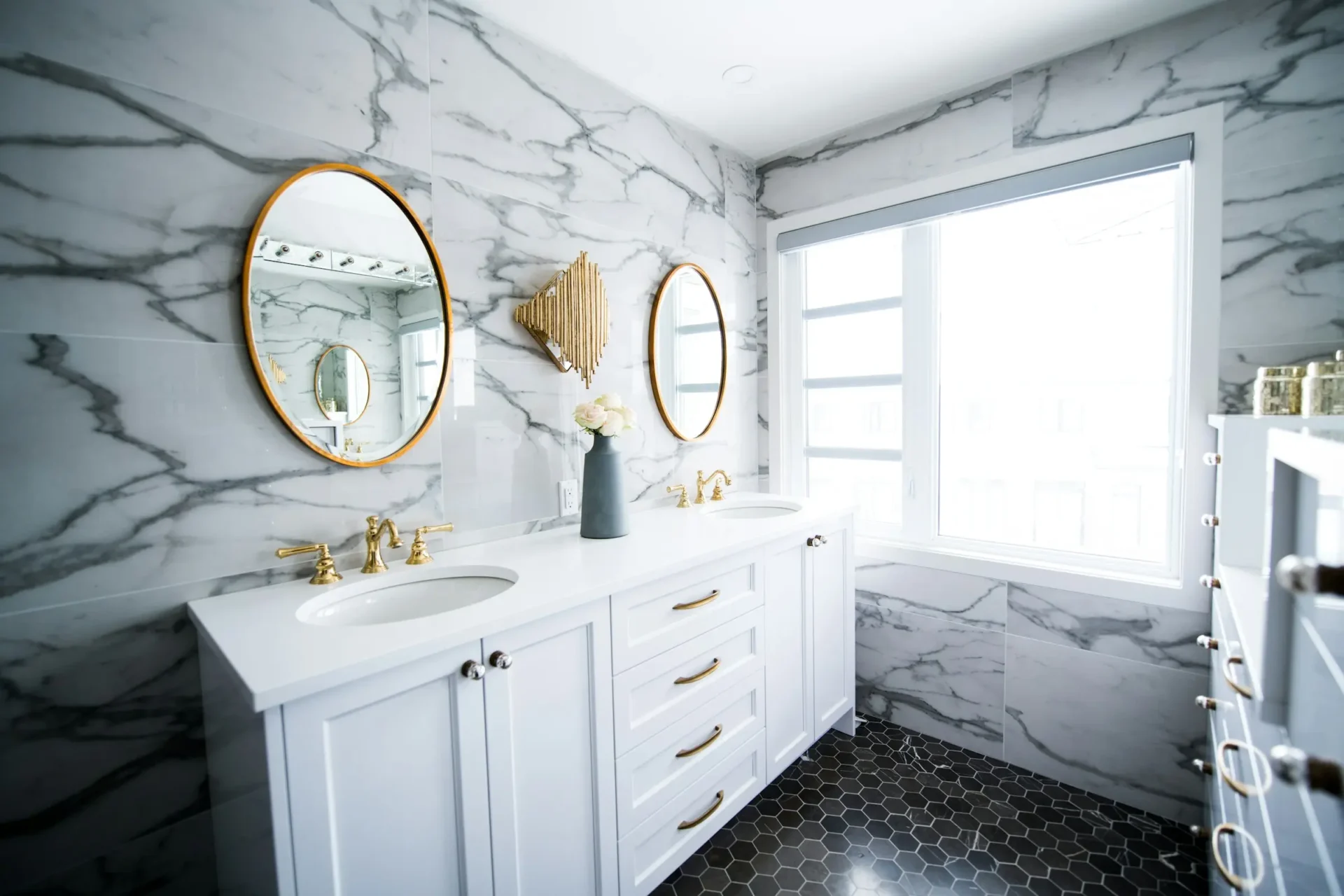
  • Bathroom Renovation in Unionville: Transform Your Space

    Bathroom Renovation in Unionville: Transform Your Space

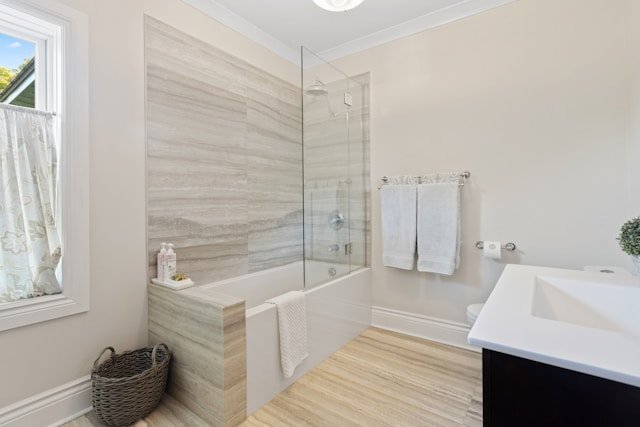
    The bathroom is more than just a functional space—it’s a sanctuary for relaxation, self-care, and daily routines. In Unionville, homeowners are increasingly investing in bathroom renovations not only to enhance comfort but also to boost property value. Whether you want a modern spa-like retreat, a sleek minimalist design, or a practical family bathroom, a well-planned renovation can completely transform your living space.

    This comprehensive guide explores everything you need to know about bathroom renovation in Unionville, including design ideas, cost considerations, latest trends, and why working with a trusted local company like Rose Valley Renovation is the best choice.

    Understanding Bathroom Renovation in Unionville

    Bathroom renovation is not just about replacing old fixtures. It’s a strategic upgrade that involves:

    • Space optimisation – making the most of small or irregular layouts.

    • Modernisation – incorporating the latest designs, fixtures, and technology.

    • Energy efficiency – reducing water and energy usage with eco-friendly solutions.

    • Increased property value – renovated bathrooms can significantly raise resale value.

    Unionville homeowners often renovate their bathrooms when:

    • The space looks outdated.

    • Fixtures are inefficient or damaged.

    • They want to improve accessibility for seniors or family members.

    • They’re preparing their home for resale.

    Key Benefits of Bathroom Renovation in Unionville

    1. Boosted Home Value
       Real estate experts agree that bathrooms and kitchens are the most influential spaces when it comes to resale value. A well-designed bathroom renovation in Unionville can deliver a high return on investment.

    2. Improved Functionality
       Renovations allow you to redesign your bathroom to fit your lifestyle. Whether it’s adding a double vanity for busy mornings or expanding the shower area, every update enhances daily convenience.

    3. Enhanced Aesthetics
       From modern tiles to ambient lighting, renovations give your bathroom a stylish upgrade that reflects your taste.

    4. Energy & Water Efficiency
       Installing low-flow faucets, LED lighting, and energy-efficient ventilation reduces bills while making your home eco-friendly.

    5. Better Comfort & Relaxation
       Imagine stepping into a spa-inspired shower or soaking in a freestanding tub—renovations can turn this dream into reality.

    Latest Bathroom Renovation Trends in Unionville (2026)

    Unionville homeowners are blending functionality with aesthetics. Here are the top bathroom renovation trends in 2026:

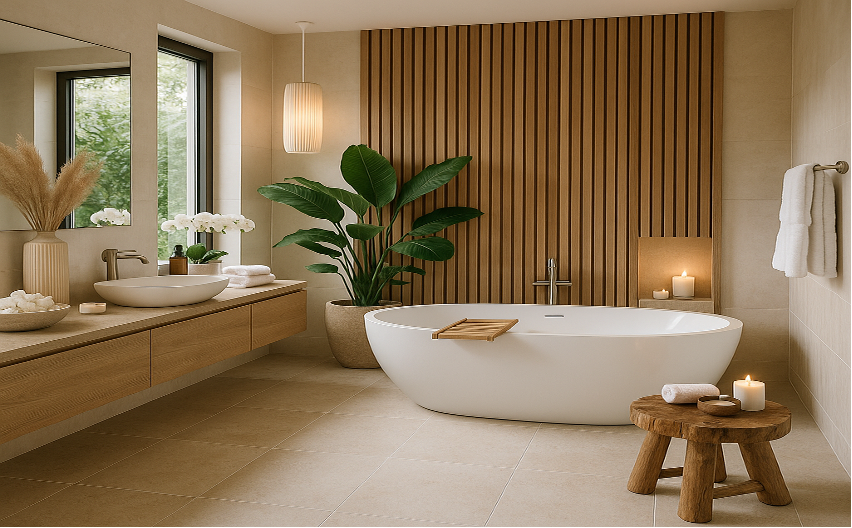
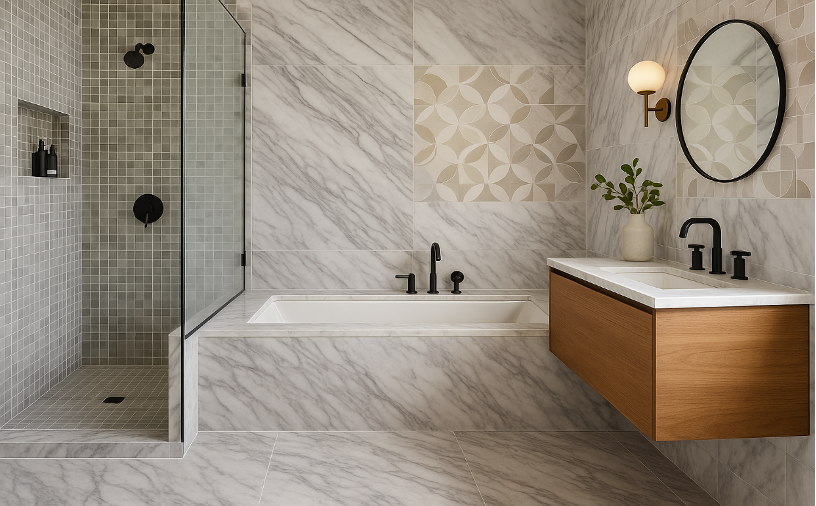
    • Natural Elements: Incorporating stone, wood, and greenery for a calming, spa-like feel.

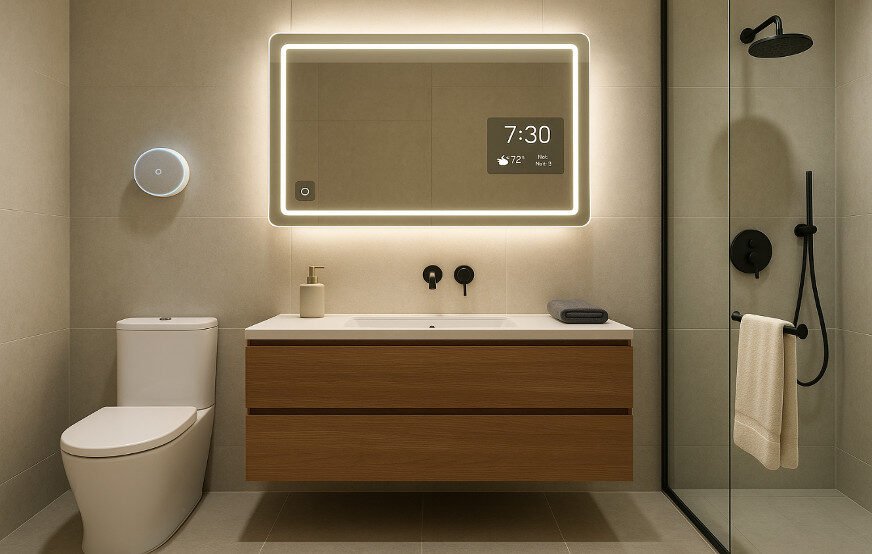
    • Smart Bathrooms: Touchless faucets, heated flooring, and smart mirrors with LED lighting.

    • Walk-in Showers: Frameless glass showers for a sleek and open look.

    • Bold Tiles: Geometric, mosaic, or large-format tiles for striking designs.

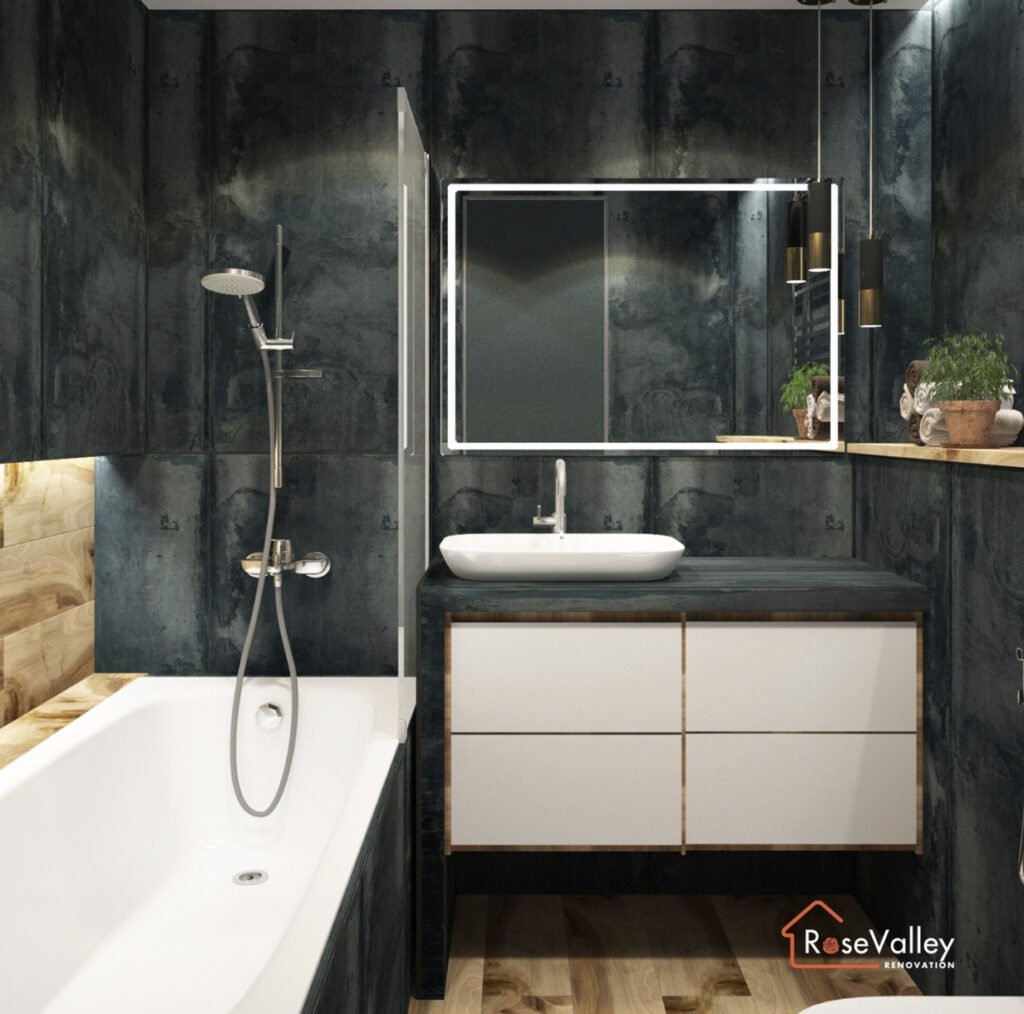
    • Floating Vanities: Minimalist yet functional vanities that make small bathrooms feel spacious.

    • Sustainable Fixtures: Eco-friendly materials and water-saving technologies.

    Steps to a Successful Bathroom Renovation in Unionville

    1. Planning & Budgeting

    Define your renovation goals—are you focusing on aesthetics, functionality, or resale value? On average, bathroom renovations in Unionville can cost $12,000–$25,000, depending on scope and materials.

    2. Design Inspiration

    Look for ideas online, visit showrooms, or consult with design experts at Rose Valley Renovation.

    3. Choosing the Right Materials

    Durability is key for bathrooms due to constant moisture. Popular materials include porcelain tiles, quartz countertops, and moisture-resistant paint.

    4. Hiring Professionals

    DIY may work for minor updates, but full renovations require expert contractors to ensure plumbing, electrical, and waterproofing meet code requirements.

    5. Execution & Finishing Touches

    Once work begins, clear communication with your contractor ensures the project stays on track. Final touches—like lighting, mirrors, and accessories—complete the transformation.

    Why Choose Rose Valley Renovation in Unionville?

    When it comes to bathroom renovation in Unionville, you need a trusted partner who understands both design trends and practical construction. Rose Valley Renovation stands out because of:

    • Local Expertise: We know Unionville homes and design preferences.

    • Skilled Craftsmanship: Our team delivers flawless finishes.

    • Transparent Pricing: No hidden costs—just honest, upfront estimates.

    • Tailored Designs: Every bathroom is unique; we create customised plans.

    • Customer Satisfaction: We focus on long-term value and client happiness.

    Bathroom Renovation in Unionville 2

    Looking to renovate your bathroom in Unionville? Rose Valley Renovation is here to bring your vision to life. From design consultation to flawless execution, our team ensures your renovation is stress-free and tailored to your lifestyle. [Insert Internal Link Here to Rose Valley Renovation website]

    Common Bathroom Renovation Mistakes to Avoid

    • Skipping proper ventilation – leads to mould and mildew issues.

    • Ignoring storage – lack of cabinets and shelving reduces functionality.

    • Overlooking lighting – poor lighting can make even the best designs look dull.

    • Not setting a realistic budget – unexpected costs can derail the project.

    • Hiring inexperienced contractors – this can lead to costly mistakes.

    Cost Breakdown of Bathroom Renovations in Unionville

    Renovation ElementAverage Cost Range (CAD)
    Bathtub installation$1,500 – $5,000
    Shower remodel$3,000 – $10,000
    Vanity & countertops$1,200 – $4,000
    Flooring (ceramic/porcelain)$1,000 – $3,500
    Plumbing & electrical$2,000 – $6,000
    Painting & finishing$800 – $2,500

    Note: Costs vary based on design complexity, material choices, and labour.

    Bathroom Renovation FAQ – Unionville

    Q1: How long does a bathroom renovation take in Unionville?
     A standard renovation usually takes 3–6 weeks, depending on project scope.

    Q2: Do I need permits for bathroom renovation?
     Yes, major renovations involving plumbing or structural changes require permits in Unionville.

    Q3: Can a bathroom renovation increase home value?
     Absolutely. On average, homeowners can recover 60–70% of renovation costs when selling their property.

    Q4: How can I make a small bathroom look bigger?
     Use floating vanities, large mirrors, glass showers, and light-coloured tiles to create the illusion of space.

    Q5: Should I hire a designer for bathroom renovation?
     While not mandatory, a professional designer ensures your renovation balances functionality with aesthetics.

    A bathroom renovation is one of the smartest investments for homeowners in Unionville. Whether you’re aiming for a modern retreat, a family-friendly space, or a luxurious upgrade, the right design and expert execution can completely transform your home.

    With Rose Valley Renovation, you get a partner who understands your vision, provides professional guidance, and ensures every detail is handled with precision. If you’re ready to create the bathroom of your dreams in Unionville, now is the perfect time to start planning.
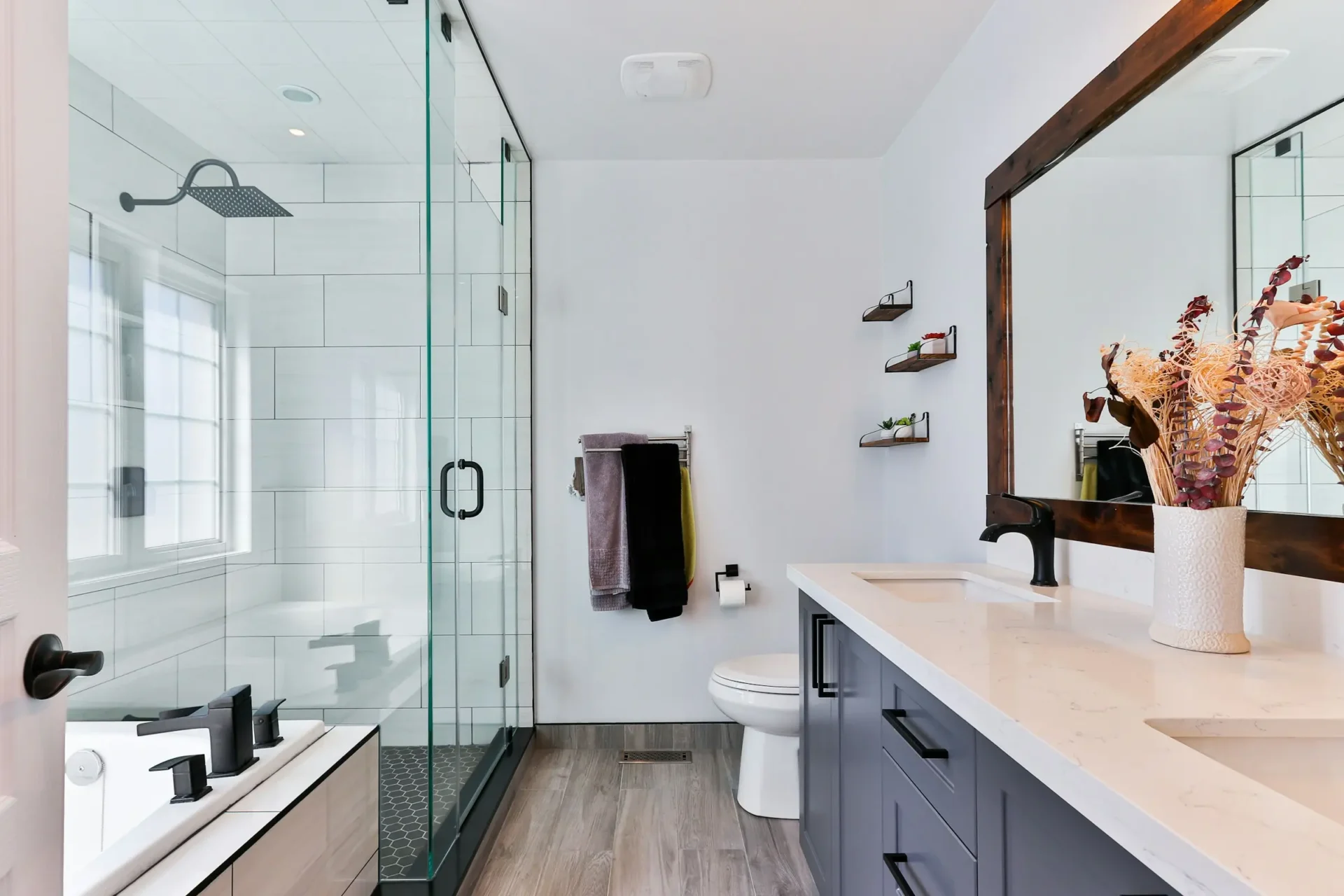
  • Bathroom Renovation North York: Home with Style and Functionality

    Bathroom Renovation North York: Home with Style and Functionality

    Bathroom renovations are one of the most rewarding investments homeowners in North York can make. Whether you want to enhance comfort, improve functionality, or increase your home’s market value, a well-designed bathroom remodel can transform your space into a luxurious retreat. In 2026, modern bathroom renovation trends are shifting towards sustainability, smart technology, and timeless design, making now the perfect time to upgrade.

    In this comprehensive guide, we’ll explore everything you need to know about bathroom renovations in North York—from costs and design ideas to hiring the right experts. And if you’re looking for a trusted partner, Rose Valley Renovation is here to bring your vision to life.

    Why Homeowners in North York Choose Bathroom Renovations

    North York is a vibrant and diverse community where homeowners value both aesthetics and practicality. Renovating your bathroom is more than just an upgrade; it’s about creating a space that reflects your lifestyle. Here are some top reasons people invest in bathroom renovations:

    • Increase Property Value: Homes with modern bathrooms sell faster and at higher prices.

    • Improve Energy Efficiency: New fixtures, LED lighting, and water-saving technologies lower utility bills.

    • Enhance Comfort & Wellness: Spa-like showers, heated flooring, and ergonomic layouts create daily luxury.

    • Fix Structural Issues: Older bathrooms may have leaks, mould, or plumbing problems that need attention.

    • Future-Proofing Homes: Many families renovate to make bathrooms accessible for aging in place.

    Latest Bathroom Renovation Trends in 2026

    Keeping up with design and innovation is essential to ensure your bathroom feels fresh and functional. Here are the top 2026 bathroom renovation trends in North York:

    1. Minimalist Luxury – Clean lines, neutral tones, and clutter-free spaces.

    2. Sustainable Materials – Recycled tiles, bamboo vanities, and eco-friendly finishes.

    3. Smart Technology – Touchless faucets, voice-controlled lighting, and smart mirrors.

    4. Statement Tiles – Bold mosaic backsplashes and floor-to-ceiling tile walls.

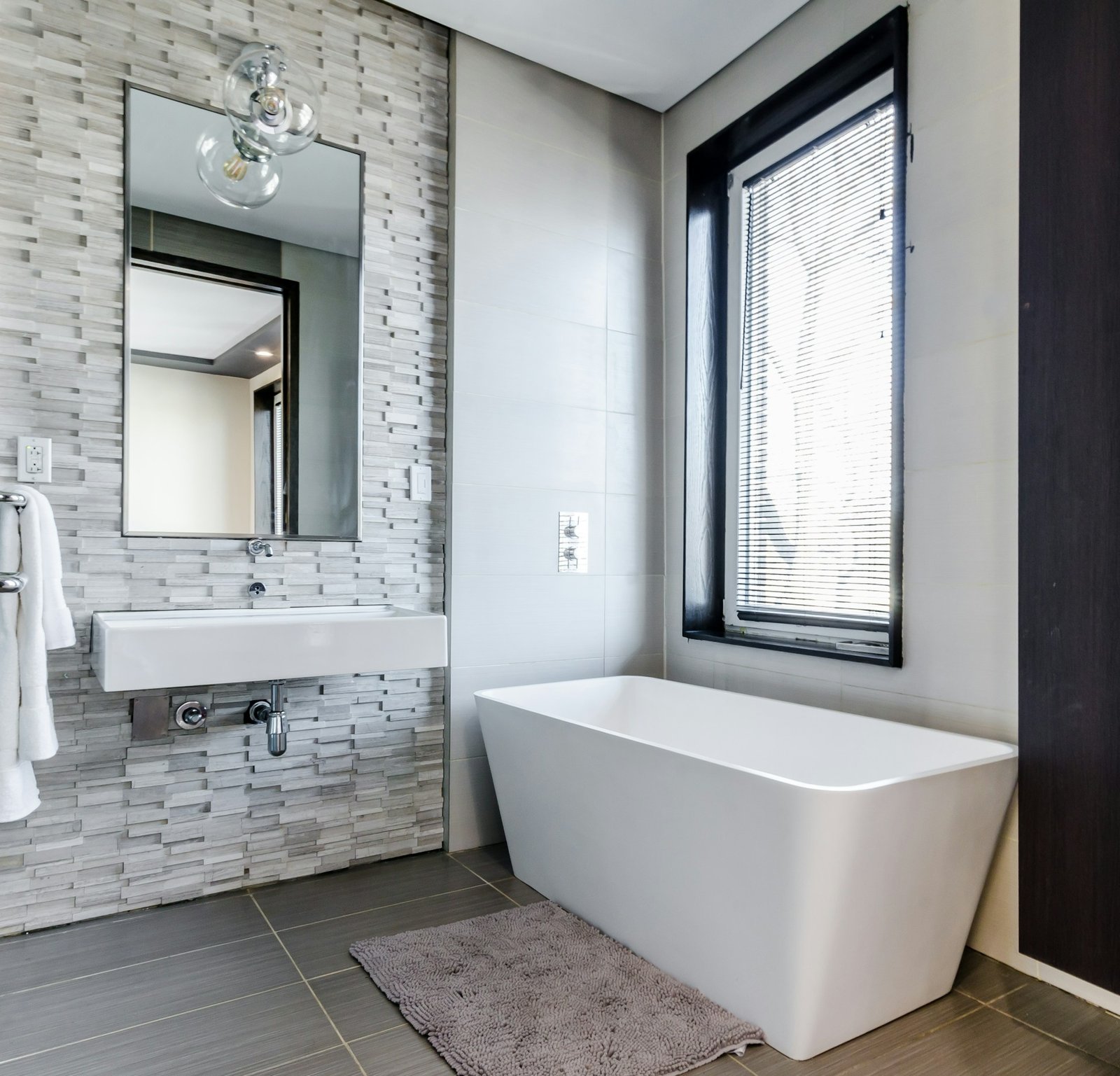
    5. Freestanding Bathtubs – A centrepiece for relaxation and elegance.

    6. Integrated Storage – Hidden cabinets and floating vanities for maximising space.

    7. Natural Elements – Wood accents, stone finishes, and greenery for a calming vibe.

    These trends highlight the balance between style and practicality, offering inspiration for every type of homeowner.

    Cost of Bathroom Renovation in North York

    Budget plays a significant role in planning. The cost of a bathroom renovation in North York varies depending on size, materials, and scope of work.

    • Basic Remodel: $8,000 – $15,000 (upgrading fixtures, flooring, and paint).

    • Mid-Range Renovation: $15,000 – $25,000 (new tiles, vanities, lighting, and plumbing).

    • Luxury Bathroom Remodel: $25,000 – $50,000+ (custom designs, high-end finishes, spa features).

    Pro Tip: Always factor in permits, labour, and unexpected repairs to avoid surprises.

    Steps to a Successful Bathroom Renovation

    A well-planned renovation is the key to achieving your dream bathroom. Here’s the step-by-step process:

    1. Planning & Budgeting

    Define your goals, create a mood board, and set a realistic budget.

    2. Hiring the Right Experts

    Choose a trusted contractor like Rose Valley Renovation who understands local codes and delivers quality craftsmanship.

    3. Design & Material Selection

    Pick flooring, tiles, lighting, fixtures, and colour schemes that align with your vision.

    4. Demolition & Preparation

    Old fixtures and tiles are removed, and structural issues are addressed.

    5. Plumbing & Electrical Upgrades

    Ensure modern systems are efficient and compliant with safety standards.

    6. Installation & Finishing

    From vanities to lighting, every detail is installed with precision.

    7. Final Touches & Inspection

    The space is polished, inspected, and ready for you to enjoy.

    Common Mistakes to Avoid in Bathroom Renovations

    Even the best intentions can go wrong without proper planning. Avoid these mistakes:

    • Skipping Professional Help – DIY can cost more in the long run.

    • Poor Ventilation – Leads to mould and humidity problems.

    • Overlooking Storage – A stylish bathroom still needs practicality.

    • Choosing Trends Over Functionality – Focus on long-term usability.

    • Ignoring Lighting – Both task and ambient lighting are essential.

    Choosing the Best Bathroom Renovation Company in North York

    Your choice of renovation partner determines the outcome. Look for:

    • Experience & Portfolio: Proven track record in bathroom remodels.

    • Local Expertise: Knowledge of North York homes and design preferences.

    • Transparent Pricing: Clear contracts with no hidden costs.

    • Client Reviews & Testimonials: Positive feedback from past projects.

    • Licensed & Insured Professionals: Protects both you and your home.

    Promotional Paragraph (For Internal Linking)

    If you’re ready to transform your bathroom, Rose Valley Renovation is your trusted partner in North York. With years of expertise, we specialise in custom bathroom renovations that blend style, functionality, and quality craftsmanship. From concept to completion, our team ensures a seamless renovation experience tailored to your vision. Visit our website to explore our services and discover why homeowners in North York choose Rose Valley Renovation for their dream bathrooms.

    Bathroom Renovation FAQs

    1. How long does a bathroom renovation take in North York?
     Typically, 2–4 weeks depending on project complexity.

    2. Do I need a permit for bathroom renovation?
     Yes, permits may be required for plumbing and structural changes.

    3. Can a bathroom remodel increase home value?
     Absolutely—modern bathrooms significantly boost resale value.

    4. What is the most cost-effective upgrade?
     Replacing fixtures and retiling often give the best ROI.

    5. Is eco-friendly renovation worth it?
     Yes, it reduces bills, improves indoor air quality, and appeals to future buyers.

    Upgrade Your Bathroom with Confidence

    A bathroom renovation is more than just a home improvement—it’s an investment in your lifestyle and property value. Whether you’re aiming for a luxury spa retreat or a functional family-friendly bathroom, North York homeowners have endless options.

    By partnering with experts like Rose Valley Renovation, you can enjoy a stress-free renovation that delivers stunning results. With the right planning, design, and professional guidance, your dream bathroom is within reach.

  •  Top Bathroom Renovation Trends in Toronto for 2026

     Top Bathroom Renovation Trends in Toronto for 2026

    Toronto homeowners planning a bathroom renovation in 2026 have a lot to get excited about. Designers are balancing luxe, spa-like finishes with practical, energy-saving tech, and homeowners are embracing texture, colour, and materials that make small spaces feel expansive. Below I break down the top trends, why they work in Toronto homes (from condos to older Victorians), and how to use them thoughtfully so your renovation stays stylish and sensible.

    1. Spa-inspired bathrooms: wellness at home

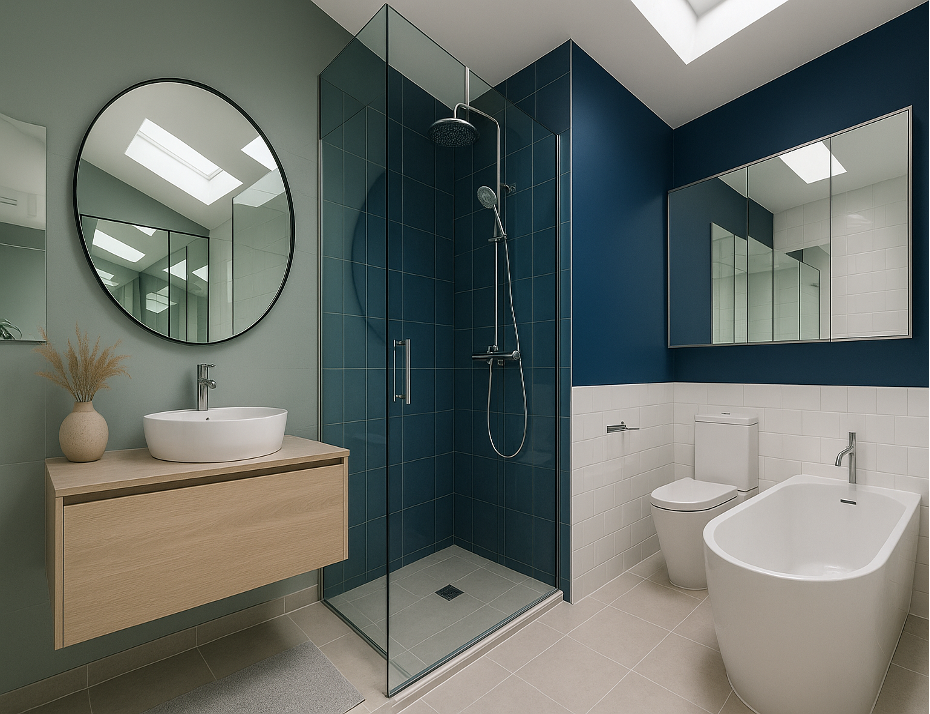
    One of the biggest motifs this year is turning bathrooms into wellness retreats. Expect deep soaker tubs, steam or wet rooms, uninterrupted tile from floor to ceiling, bench seating in showers, and layered lighting to recreate a spa’s ambience. Designers in Toronto are leaning into soft, calming palettes—deep ocean blues, seafoam greens, warm grays and neutrals—that make the bathroom feel like a place to decompress.

    Practical pick for Toronto condos: if you can’t add a freestanding tub, choose a tiled alcove with a deep soaking profile and a wall-mounted filler to get the spa feel without a major footprint change.

    2. Smart, subtle tech — not gadget overload

    “Smart” bathrooms in 2026 are less about flashy screens and more about seamless convenience: thermostatic shower controls, app-enabled showers and taps, heated floors with timers, touchless faucets, and smart mirrors with built-in demisting and discreet displays. Toronto remodelers are recommending devices that hide their tech when turned off, preserving a clean aesthetic. For hygiene and convenience, smart toilets (seat warming, automatic flush, self-clean) keep gaining traction. Pro tip: choose one or two smart elements (e.g., shower control + heated floors) rather than outfitting every fixture — that keeps costs down and avoids tech fatigue.

    3. Sustainability and durable materials

    Sustainability continues to shape choices: low-flow fixtures, reclaimed or recycled tiles, long-life quartz and solid-surface countertops, and LED lighting. Toronto homeowners are also choosing durable finishes that reduce long-term waste and maintenance (porcelain tiles that mimic stone, waterproof engineered cabinetry, and high-quality hardware). These choices lower utility bills and reduce environmental impact.

    Actionable swap: replace older toilets with modern dual-flush models and pick LED mirrors/lighting on dimmers to save energy and improve ambience.

    4. Texture & natural warmth — fluting, wood and curves

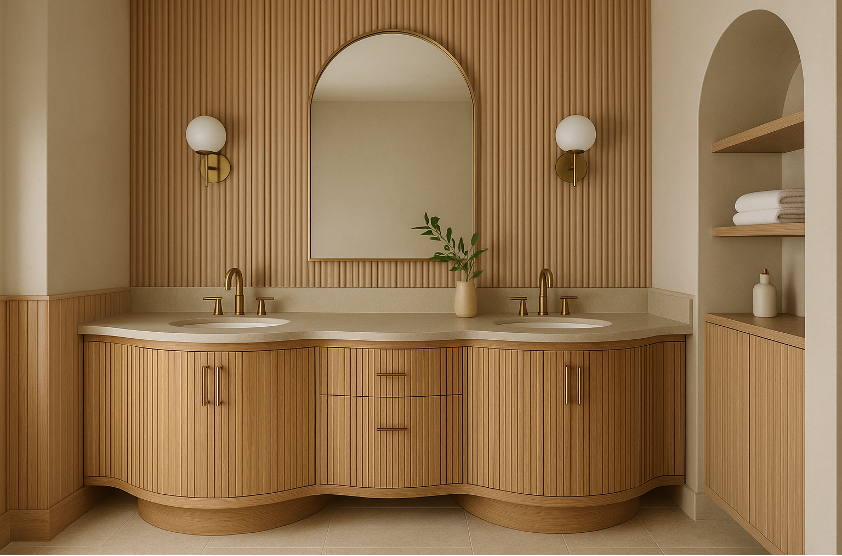
    Textured surfaces are having a moment. Fluted wood panels and ribbed cabinetry—think vertical grooving on vanities—add tactile warmth and a mid-century-modern nod that’s trendy in 2026. Curved vanities, rounded mirrors, and soft arches are easing the hard edges that once dominated contemporary bathrooms. These details bring personality without overwhelming small Toronto bathrooms.

    Design tip: pair a fluted wood vanity with matte black or brass hardware for contrast. In smaller bathrooms, a single fluted face can be an affordable focal point.

    5. Tile-forward design: tubs, feature walls, and continuity

    Tiles are no longer confined to shower surrounds. Full “tile-drenched” rooms, tiled bathtub panels, and continuous tile flooring that runs into the shower create a cohesive, luxe appearance. Bold tile patterns—large-format slabs for uninterrupted veining or smaller geometric tiles in a focal niche—are popular. Tiling a bathtub’s side panel or creating a tile mural behind a vanity are quick ways to make a design statement without blowing the budget.

    Practical note: porcelain tiles that imitate natural stone give you the look of marble without porosity and maintenance — ideal for Toronto’s humid-summer/cold-winter cycles.

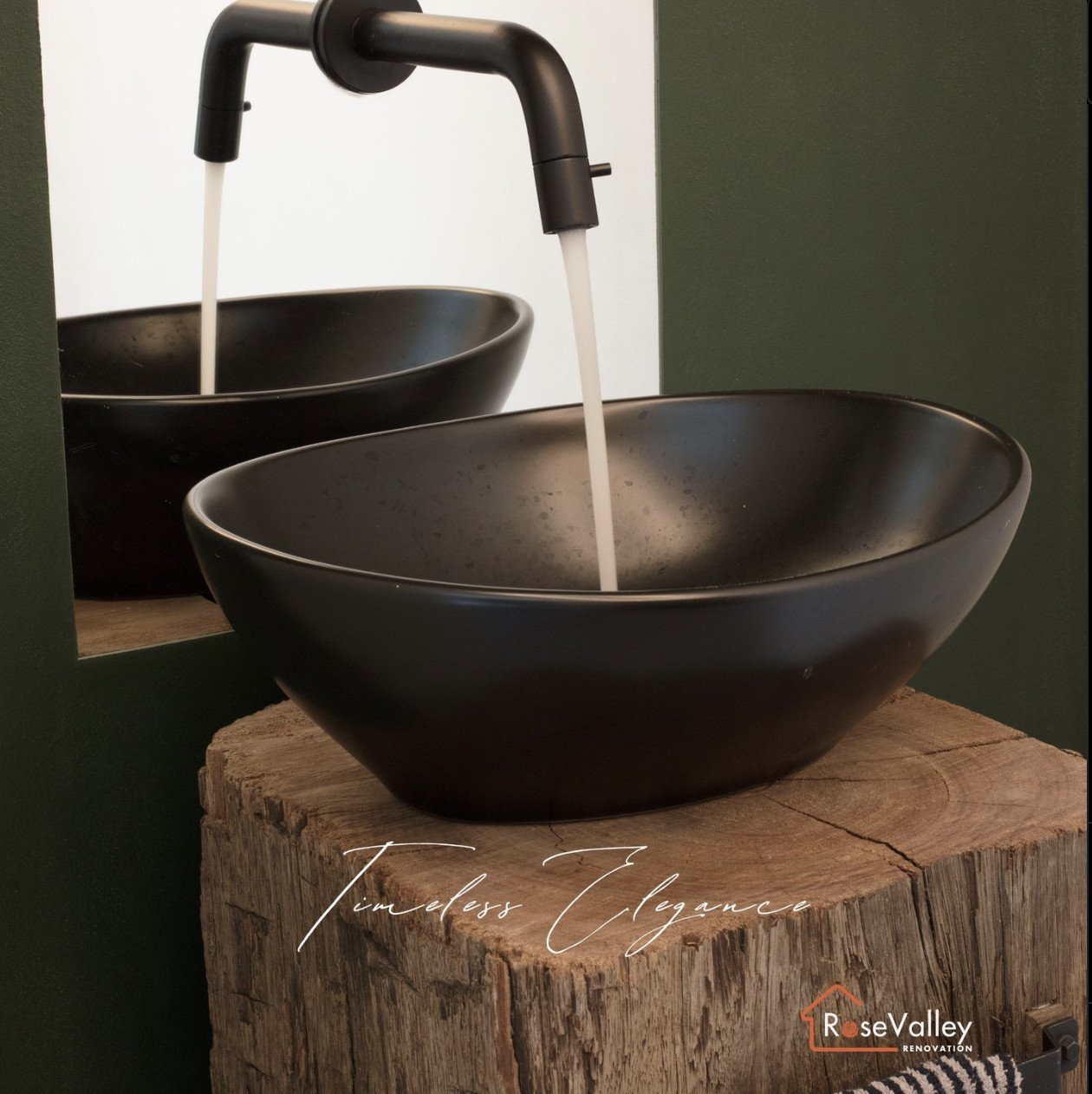
    6. Matte black & mixed metals, plus warm brass resurgences

    Matte black fixtures continue to be a versatile choice, especially in contemporary condo bathrooms. At the same time, warm brass and brushed gold accents are returning as luxury touches—often mixed intentionally with black or chrome for depth. Toronto designers recommend choosing a primary metal and adding one accent finish to avoid a cluttered look.

    7. Floating vanities & clever storage

    Floating vanities maximize the sense of space and make floor cleaning easier, both valuable in compact Toronto bathrooms. Integrated drawers, pull-out organizers, and recessed medicine cabinets keep counters clear and enhance a minimalist look. Designers also increasingly use built-in niches and recessed shelving in showers to maintain clean lines.

    8. Colour & pattern: moody blues, soft greens, and statement accents

    While crisp white bathrooms remain timeless, 2026 favours moody jewel tones and nature-inspired hues—deep navy, emerald or seafoam green—often balanced with neutral floors and warm wood tones. For those wary of full-colour commitment, accent tiles or a painted ceiling can deliver impact without long-term commitment.

    9. Accessory trends: mirrors, lighting, and finishes

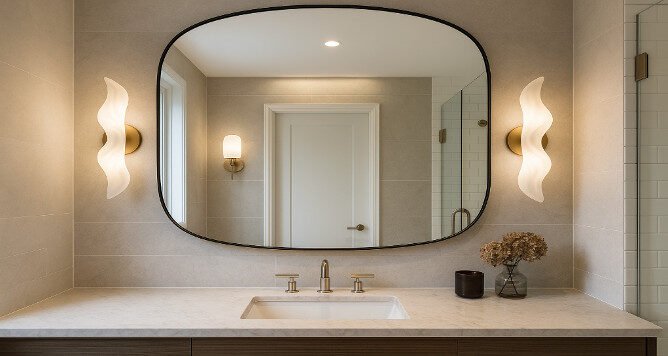
    Oversized mirrors, sculptural sconces, and layered lighting are essential in modern Toronto bathrooms. Backlit mirrors with dimmable temperature control, LED task lighting, and decorative pendants over vanities create both function and drama. Consider warm light temperatures (2700–3000K) for a comfortable, spa-like glow.

    10. Toronto-specific practicalities: permits, costs, and logistics

    If your renovation includes plumbing reconfiguration or structural changes, the City of Toronto commonly requires permits and inspections — especially for full-bath conversions or changing plumbing stacks. Permits protect insurance coverage and ensure code compliance. In 2025, average Toronto bathroom renovations still have a wide cost range depending on size and scope, but mid-range projects commonly fall between the low five-figure range and higher for luxury overhauls; condo renovations may cost more due to building regulations and staging logistics. Always budget a contingency (10–20%) for unforeseen issues in older houses.

    Quick checklist:

    • Confirm whether plumbing/electrical changes require permits.
    • Factor condo building rules and timing into your schedule.
    • Book qualified local trades (licensed plumbers, electricians, and licensed contractors).

    How to blend trends without a quick-fashion look

    1. Pick one standout trend (e.g., spa shower or fluted vanity) and build neutral, durable choices around it.
    2. Layer textures rather than colours: matte fixtures + fluted wood + large-format tiles.
    3. Future-proof: choose durable materials and simple smart tech that’s replaceable (non-proprietary hubs, standard fittings).
    4. Work with a Toronto renovator who knows local permitting and condo requirements — that saves time, stress, and hidden costs.

    Before you start: a short Toronto renovation roadmap

    1. Define your budget and must-haves.
    2. Gather inspiration (photos, tiles, finishes).
    3. Contact 2–3 contractors and ask for references and proof of licensing.
    4. Confirm permits and condo board approvals (if applicable).
    5. Order long-lead items (vanities, tiles, fixtures) early.
    6. Plan a temporary shower/bath solution if you’ll be without a bathroom during work.

    Final thoughts

    2026 is all about balance: luxe, spa-like touches blended with discreet smart features and eco-conscious choices. Toronto homeowners are responding to smaller footprints by emphasizing texture, continuity, and intelligent storage instead of over-accessorizing. Whether you live in a downtown condo or a century home in the Annex, there are creative, budget-friendly ways to make your bathroom feel like a modern sanctuary while keeping resale value strong.

  • How to Maximize Space in a Small Toronto Bathroom

    How to Maximize Space in a Small Toronto Bathroom

    Having a small bathroom in Toronto can be a challenge — whether it’s in a downtown condo, an older house in the Annex, a semi-detached in East York, or a compact suite in Scarborough. But with smart design, the right materials, and clever layout choices, even a compact bathroom can feel spacious, functional, and stylish. Here are proven strategies, local considerations, and design tips to maximize space in a small bathroom in Toronto.

    Why Small Bathroom Space Feels Tighter in Toronto, and What to Do About It

    Before the design tips, it helps to understand some local constraints so you don’t plan something that’s hard to implement or too costly:

    • Older building standards. Many Toronto homes built early-to-mid 20th century have smaller footprint bathrooms, less generous clearances, and more limitations around plumbing.
    • Cold winters and humid summers. Materials, lighting, and ventilation choices are more critical here.
    • Limited natural light. Many units or homes have small windows, or the bathroom may face narrow alleys or neighbours, reducing daylight.
    • High cost of space. Real estate in Toronto is expensive; expanding square footage is costly or impossible. So optimizing what’s there is often the only path.

    With that in mind, design solutions should respect both functional and aesthetic demands: keeping the space usable, warm (in winter), cool (in summer), moisture-safe, and good looking.

    Smart Layout & Fixtures

    1. Choose wall-mounted or floating fixtures.
      Floating vanities, wall-hung toilets, wall-mounted sinks free up floor area and give the illusion of more floor space. They make cleaning easier.
    2. Compact, corner, or pedestal sinks.
      If a regular vanity is too bulky, opt for a pedestal sink, or better yet a corner sink that tucks into an otherwise underused corner. Pedestal sinks take up less visual space.
    3. Pocket or sliding doors instead of swing doors.
      Traditional inward-swing doors eat into usable floor space. Using a pocket door (sliding into the wall) or an outward-opening door can free up valuable inches. Barn doors or sliding doors are additional options.
    4. Walk-in or curbless showers with clear glass.
      If you’re replacing the tub, a walk-in shower with a clear or minimal frame glass enclosure lets your eye pass unbroken through the space, avoiding visual barriers. Curbless showers (no raised lip) further reduce steps and visual clutter.
    5. Recessed shelving / niches.
      In shower or bathtub walls, use recessed niches for shampoo and soap. Also above sink / vanity walls or above toilet — shallow recessed shelves avoid jutting out storage that reduces room flow.

    Color, Light, & Mirrors: Visual Tricks to Open Up the Room

    1. Prioritize light, neutral colors.
      Whites, off-whites, creams, pale grays, very soft pastels will help reflect light and make the space feel larger. Dark colours tend to make small rooms feel more confined. Uniform tile / same flooring throughout.
      Matching tiles or continuous flooring from the main room into the bathroom (if feasible) avoids visual breaks. Large-format tiles with minimal grout lines reduce the “busy” look. On walls and floors, avoid too many patterns.
    2. Big, well-placed mirrors.
      Mirrors reflect light (natural or artificial) and visually double the space. A large mirror above the vanity, or even a wall-to-ceiling mirror (if moisture concerns are addressed), can go a long way. Also mirrored cabinets add storage + reflectivity
    3. Layered lighting.
      Use multiple sources: overhead lights, vanity lights, possibly sconces or recessed lighting, and LED mirrors. Toronto winter light is weak, so good artificial lighting matters. If there is natural light, maximize it (sheer curtains, frosted glass, etc.).

    Storage & Decluttering

    1. Go vertical for storage.
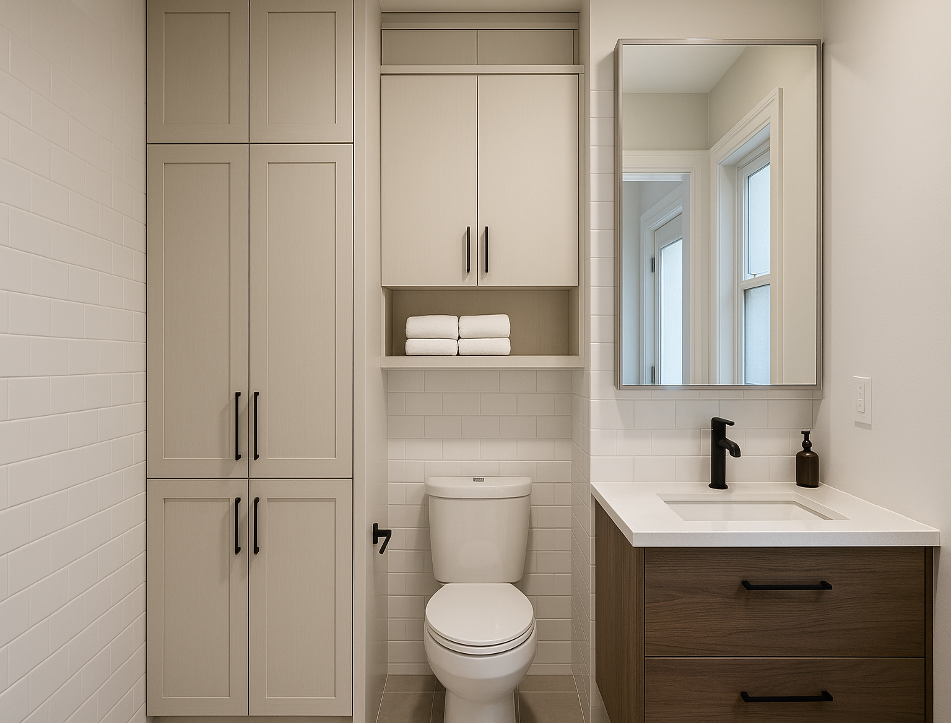
      Tall, slim storage units, cabinetry that reaches up to the ceiling, shelves above doors, etc. Use wall space: over the toilet, above the vanity.
    2. Use multifunctional fixtures.
      Vanities with drawers, built-in organizers, mirror-cabinets, towel warmers that also serve as bars. Anything that combines storage + functionality reduces clutter.
    3. Declutter ruthlessly.
      In small bathrooms, even a small number of items (toothbrush holders, bottles, towels) can make the space feel crowded. Only keep daily essentials visible; store less-used items elsewhere. Use baskets, trays, drawer organizers.
    4. Smart accessory choices.
      Use hooks, towel racks mounted on walls or backs of doors. Narrow trays or built-in ledges in showers. Avoid bulky decorative items that don’t serve function.

    Materials & Finishes: Toronto Considerations

    1. Moisture-resistant materials.
      Use water-proof or water-resistant drywall (green board or better), tiles, grout, and sealants. Toronto’s cold/heat cycles and humid summers can cause issues. Ventilation is critical.
    2. Choose finishes that brighten without glare.
      Glossy tiles reflect light but can glare; matte-finish large tiles may help. Mix finishes so light is reflected but in a gentle, diffuse way.
    3. Energy-efficient lighting and heating.
      With cold winters, radiant heat under floors or heated towel rails can help. LED lighting reduces energy cost and produces less heat. Vent fan with timer to reduce moisture efficiently.

    Layout & Spatial Planning

    1. Plan clearances carefully.
      Codes / best practice: leave enough space in front of toilet, sink, and shower for comfortable use. Toronto building codes will have minimums. Minimizing the size of vanity or choosing wall-hung sinks helps free space.
    2. Try to align plumbing when remodeling.
      Moving plumbing is expensive in Toronto due to labour, permit costs, sometimes structural restrictions. If possible, keep major stack and waste lines in same walls/floor to avoid big plumbing costs.
    3. Open up sightlines.
      When possible, avoid visual barriers. For example, using glass shower enclosures instead of opaque curtains to keep the eye going. Avoid multiple level changes or step-downs unless needed for drainage.
    4. Use corners wisely.
      Place corner toilets or corner sinks, small corner shelves. Corners often wasted are prime real estate in a small bathroom.

    Local Practical Tips & Permits in Toronto

    • Check Toronto Building Code and bylaws. For bathrooms, especially if altering plumbing or structure, permits are often required. Ensure clearances, ventilation, electrical work are up to code.
    • Consider condo restrictions. If you’re in a condominium, there may be restrictions on what you can change (e.g. venting, plumbing in shared walls).
    • Hire local trades who understand Toronto climate. Proper insulation, good window seals, high quality vent fans are important with our freeze-thaw and dampness issues.
    • Budget for higher material/labour costs. Toronto is expensive. Certain finishes like glass enclosures, custom cabinetry, or tile work cost more. Factor that into your planning.

    Final Thought

    Maximizing space in a small Toronto bathroom is absolutely possible without sacrificing style or comfort. The key is to think vertically, reduce visual clutter, maximize light (both natural and artificial), choose fixtures that save space, and use smart storage. Even small changes—like switching to a clear glass shower door or installing a large mirror—can produce big results. If you plan it well, the result will be a bathroom that feels larger, more relaxing, and very much yours.

  • Eco-Friendly Condo Renovations: Sustainable Living in Style

    Eco-Friendly Condo Renovations: Sustainable Living in Style

    Sustainability isn’t just a trend it’s a lifestyle choice that’s reshaping how we live, build, and renovate our homes. In condo living, where space is limited and every decision counts, adopting eco-friendly renovation practices can significantly reduce your carbon footprint while creating a healthier, more efficient, and stylish home.

    At Rose Valley Renovation, we believe you shouldn’t have to choose between being green and living beautifully. This guide explores eco-friendly condo renovation ideas that blend sustainability with modern design, offering you smarter ways to renovate your space without compromising on comfort or aesthetics.

    Why Go Green in a Condo Renovation?

    Sustainable renovations are more than just good for the planet they’re good for your health, your wallet, and your future. Here’s how:

    • Energy-efficient upgrades reduce utility bills.
    • Low-toxicity materials create healthier indoor air quality.
    • Water-saving fixtures lower your environmental impact.
    • Eco-conscious design can increase property value and attract environmentally minded buyers or renters.

    Whether you’re doing a full remodel or minor upgrades, every green choice contributes to a better living environment — for you and the planet.

    1. Choose Eco-Friendly Materials

    The materials you select during your condo renovation set the tone for sustainability. Aim for renewable, recycled, or responsibly sourced options that are durable, beautiful, and better for the environment.

    Bamboo Flooring and Cabinetry

    Bamboo is a favorite for eco-conscious renovations. It’s a rapidly renewable resource, growing much faster than hardwood trees, and has the strength to rival oak or maple.

    Why It Works:

    • Naturally water-resistant
    • Stylish with a modern, clean look
    • Durable and long-lasting

    Use bamboo for flooring, cabinets, or wall panels to add warmth and texture with a green footprint.

    Reclaimed or Recycled Wood

    Reclaimed wood gives new life to materials that would otherwise go to waste. Using recycled wood adds character to your home, reduces deforestation, and prevents usable lumber from ending up in landfills.

    Where to Use Reclaimed Wood:

    • Accent walls
    • Floating shelves
    • Vanity tops
    • Kitchen islands
    • Sliding barn doors

    Each piece tells a story and adds natural charm while supporting sustainable practices.

    Other Sustainable Material Ideas:

    • Low-VOC (Volatile Organic Compounds) paints for better air quality
    • Recycled glass countertops
    • Cork flooring (renewable, soft underfoot, mold-resistant)
    • Eco-friendly insulation like denim or cellulose

    2. Install Water-Saving Fixtures

    Water conservation is one of the simplest and most impactful ways to live sustainably — especially in urban condos where every drop counts.

    Low-Flow Showerheads

    Switching to a low-flow or aerated showerhead can cut your water use in half without sacrificing water pressure. Many modern options blend performance with sleek design.

    Dual-Flush or Low-Flow Toilets

    Toilets account for a large portion of indoor water use. Installing dual-flush toilets gives you control over water usage, helping save thousands of liters annually.

    Faucet Aerators and Water-Efficient Fixtures

    In both the kitchen and bathroom, upgrade faucets to EPA WaterSense-certified models or install aerators to reduce flow without affecting performance.

    Added Benefit: Reducing hot water use also lowers energy consumption, making it a win-win.

    3. Invest in Energy-Efficient Lighting and Appliances

    Lighting and appliances account for a significant share of your condo’s energy use. Choosing energy-efficient models can lead to major savings — and a lower environmental impact.

    LED Lighting

    Swap out traditional bulbs for LED lighting, which uses up to 80% less energy and lasts up to 25 times longer. They’re available in a range of color temperatures and styles, from recessed ceiling lights to modern sconces.

    Pro Tip: Use dimmer switches and motion sensors for additional efficiency and mood-setting flexibility.

    Energy Star Appliances

    When upgrading your condo kitchen or laundry area, look for Energy Star–rated appliances:

    • Refrigerators
    • Dishwashers
    • Washers and dryers
    • Ovens and microwaves

    These appliances use less electricity and water without compromising performance, and often come with rebates or incentives in many cities.

    Natural Light Optimization

    Take advantage of your condo’s windows. Use light-colored walls, mirrors, and sheer curtains to enhance natural light and reduce the need for artificial lighting during the day.

    4. Optimize Insulation and Air Quality

    Even in condos, temperature regulation plays a role in energy efficiency. Proper insulation and air sealing reduce your heating and cooling needs, keeping your space comfortable year-round.

    Interior Insulation and Soundproofing

    If you’re renovating walls or replacing flooring, consider adding eco-friendly insulation like:

    • Recycled denim insulation
    • Cellulose made from recycled paper
    • Sheep’s wool or cork underlayment

    These materials help with thermal comfort and sound control, which is especially important in shared buildings.

    Improved Ventilation and Air Purification

    Include ventilation upgrades to remove stale air and bring in fresh air — particularly in bathrooms and kitchens. Add:

    • Exhaust fans with humidity sensors
    • HEPA or carbon filters in HVAC systems
    • Indoor plants for natural air purification

    Breathe easier knowing your indoor environment is as healthy as it is eco-friendly.

    5. Design for Longevity and Low Waste

    Fast design trends often result in frequent remodels and unnecessary waste. One of the greenest things you can do is design a space that stands the test of time — both in style and durability.

    Timeless Design Choices

    Choose neutral, versatile palettes and natural materials that won’t look dated in a few years. This reduces the urge to remodel frequently and encourages sustainable living.

    Built to Last

    Invest in high-quality workmanship and materials that won’t need to be replaced anytime soon. This reduces waste and saves money in the long run.

    Final Thoughts: Sustainable Living Can Be Stylish

    Eco-friendly condo renovations don’t have to mean compromises. With thoughtful design, responsible materials, and energy-conscious upgrades, you can enjoy a home that’s modern, stylish, and environmentally responsible.

    At Rose Valley Renovation, we specialize in sustainable renovation solutions that enhance your lifestyle while respecting the planet. Whether you want to install energy-efficient lighting, upgrade to bamboo flooring, or rethink your bathroom with water-saving fixtures, our expert team will guide you through every step beautifully and responsibly.

  • Common Bathroom Renovation Mistakes and How to Avoid Them

    Common Bathroom Renovation Mistakes and How to Avoid Them

    A bathroom renovation is one of the most impactful upgrades you can make to your home. Whether you’re improving functionality, increasing resale value, or simply creating a more relaxing space, a well-executed bathroom remodel can make a big difference in daily living.

    However, it’s also one of the trickiest projects to get right. Between plumbing, layout, ventilation, and material choices, there are many opportunities for mistakes that can cost you time, money, and peace of mind.

    At Rose Valley Renovation, we’ve seen it all the good, the bad, and the costly. Here’s our expert guide to the most common bathroom renovation mistakes and how to avoid them, ensuring your project runs smoothly from start to finish.

    1. Poor Planning and Layout

    The Mistake:
    Jumping into demolition without a clear renovation plan is one of the most common — and most damaging — errors. You may end up with a poorly designed layout that lacks flow, function, or enough space to move around comfortably.

    How to Avoid It:
    Start with a clear blueprint. Think about how you use the space day-to-day and prioritize functionality over trends. Consider:

    • Placement of plumbing fixtures
    • Space for door swings
    • Storage needs
    • Lighting
    • Accessibility and ergonomics

    Work with professionals (like our team at Rose Valley Renovation) who can spot potential layout issues before they become costly mistakes.

    2. Underestimating the Budget

    The Mistake:
    Many homeowners start their bathroom renovation without setting a realistic budget — or forget to account for hidden costs like plumbing upgrades, mold remediation, or permit fees.

    How to Avoid It:
    Always build a detailed and itemized budget before starting. Include a 10–20% contingency for unexpected expenses. Work with a contractor who provides transparent pricing and clear project scopes.

    3. Ignoring Ventilation

    The Mistake:
    Bathrooms are naturally humid, and neglecting proper ventilation can lead to mold, mildew, peeling paint, and damage to cabinetry over time.

    How to Avoid It:
    Install a high-quality exhaust fan that’s correctly sized for your bathroom. Make sure it vents to the exterior (not the attic). Consider humidity-sensing fans that automatically turn on when moisture levels rise.

    4. Choosing the Wrong Materials

    The Mistake:
    It’s tempting to prioritize aesthetics when selecting materials, but not all tiles, paints, or surfaces are suited for high-moisture environments.

    How to Avoid It:
    Choose water-resistant and durable materials specifically rated for bathroom use:

    • Porcelain or ceramic tile for floors and walls
    • Water-resistant drywall or cement board behind wet areas
    • Paints labeled as mildew- and moisture-resistant
    • Quartz or sealed stone for vanities

    Consult with your renovation team to make sure each material fits your design and durability needs.

    5. DIY Plumbing and Electrical Work

    The Mistake:
    Trying to save money by handling plumbing or electrical work yourself — without the necessary experience — can result in leaks, water damage, or even dangerous wiring.

    How to Avoid It:
    Hire licensed professionals. Plumbing and electrical components in bathrooms are highly regulated for safety and efficiency. Improper work could void your home insurance or lead to costly repairs down the line.

    6. Overlooking Storage Needs

    The Mistake:
    A sleek, minimalist bathroom might look great in photos, but if you don’t plan for enough storage, the space quickly becomes cluttered with products and towels.

    How to Avoid It:
    Incorporate smart storage solutions from the start:

    • Built-in shower niches or shelving
    • Floating vanities with drawers
    • Medicine cabinets with mirrors
    • Over-the-toilet cabinets or towel racks

    Well-thought-out storage keeps your bathroom organized without sacrificing style.

    7. Focusing Only on Aesthetics

    The Mistake:
    It’s easy to get carried away with trends — bold tiles, vessel sinks, ultra-modern fixtures — but form should never override function in a bathroom.

    How to Avoid It:
    Strike a balance between beauty and practicality. Choose timeless materials for larger surfaces (tiles, vanities) and incorporate trendy elements in areas that are easy to update later, like mirrors, lighting, or décor.

    8. Bad Lighting Design

    The Mistake:
    A single ceiling light or dim lighting can make your bathroom feel cramped and unpleasant — not to mention impractical for tasks like shaving or applying makeup.

    How to Avoid It:
    Use layered lighting:

    • Ambient lighting (ceiling lights or recessed lights)
    • Task lighting (vanity lights or sconces)
    • Accent lighting (LED strips under vanities or in niches)

    Opt for dimmable switches to adjust lighting based on time of day and purpose.

    9. Improper Waterproofing

    The Mistake:
    Failing to waterproof wet zones (showers, bathtubs, or around sinks) can result in mold, rot, and structural damage.

    How to Avoid It:
    Ensure that your contractor uses waterproof membranes behind tiles, especially in showers. Use high-quality caulking and grout, and maintain seals over time. Waterproofing isn’t an area to cut corners — it protects everything behind your beautiful finishes.

    10. Not Considering the Future

    The Mistake:
    Renovating without thinking ahead can lead to regrets — like needing to redo work when your family grows or when mobility becomes an issue.

    How to Avoid It:
    Plan with the future in mind. Consider features like:

    • Curbless showers or walk-in tubs for accessibility
    • Grab bar reinforcements behind tiles
    • Non-slip flooring
    • Enough room for two users during busy mornings

    A well-designed bathroom should serve you for years to come.

    Bonus Mistake: Hiring the Wrong Contractor

    The Mistake:
    Choosing the cheapest quote or an inexperienced contractor can lead to delays, poor workmanship, or unfinished projects.

    How to Avoid It:
    Do your homework:

    • Read reviews
    • Check licenses and insurance
    • Ask to see previous bathroom renovation projects
    • Choose a team that communicates clearly and values transparency

    At Rose Valley Renovation, we bring years of experience, skilled craftsmanship, and a client-first approach to every project. We understand that a successful bathroom renovation is as much about the planning and execution as it is about the final look.

    Final Thoughts: Plan Smart, Renovate Smarter

    Bathroom renovations come with a lot of moving parts plumbing, electrical, tile work, ventilation, and more. It’s easy to fall into common traps, but with the right knowledge and a reliable renovation partner, you can avoid costly missteps and enjoy a smooth, stress-free transformation.

    At Rose Valley Renovation, our mission is to help homeowners create bathrooms that are beautiful, functional, and built to last. From concept to completion, we’re here to guide you through every decision the right way.

  • Smart Condo Renovation Ideas for Small Living Areas

    Smart Condo Renovation Ideas for Small Living Areas

    In today’s urban world, condo living is becoming increasingly popular, especially for young professionals, couples, and downsizers looking for low-maintenance lifestyles and prime locations. But one of the most common challenges condo dwellers face is space, or rather, the lack of it.

    At Rose Valley Renovation, we understand how precious every square foot can be in a condominium. That’s why we’ve put together this comprehensive guide on smart renovation ideas to help you maximize space, enhance functionality, and increase comfort in your condo. Whether you’re planning a full renovation or looking for minor upgrades, these ideas will help make the most of your small living area.

    1. Open Concept Layouts: Create the Illusion of Space

    If your condo has segmented rooms and walls that break up the flow, consider knocking down non-load-bearing walls to open up the layout. Open-concept designs not only allow for better movement but also make the area feel larger and more inviting.

    Ideas to Consider:

    • Combine your kitchen, dining, and living areas into one continuous space.
    • Use islands or peninsulas instead of traditional walls to define the kitchen while maintaining openness.
    • Add large mirrors on walls to reflect light and visually double the space.

    2. Multifunctional Furniture: Every Piece Should Work Hard

    When you’re short on square footage, every piece of furniture should do double or even triple duty. Smart furniture design can help you avoid clutter while keeping your space functional and beautiful.

    Examples:

    • Murphy beds that fold up into the wall during the day.
    • Sofas with hidden storage underneath the seats.
    • Extendable dining tables that double as workspaces.
    • Storage ottomans or benches for extra seating and hidden compartments.

    3. Built-In Storage: Use Every Inch Wisely

    In a small condo, storage can be a challenge — but it’s also an opportunity for creative renovation. Built-in solutions are ideal because they provide ample storage without taking up floor space.

    Smart Storage Upgrades:

    • Custom closets with double-hanging rods, drawers, and shelves.
    • Built-in cabinetry around your bed or above your sofa.
    • Under-stair storage if you’re in a two-story condo.
    • Toe-kick drawers in the kitchen and bathroom for extra storage at your feet.

    4. Vertical Thinking: Go Up, Not Out

    When floor space is limited, vertical space becomes your best friend. Most condo units have at least eight feet of ceiling height — use it!

    Vertical Renovation Ideas:

    • Tall bookcases or open shelving up to the ceiling.
    • Wall-mounted desks or tables that fold away when not in use.
    • Hanging pot racks or magnetic knife strips in the kitchen.
    • Lofted beds in studio units to free up space underneath.

    5. Sliding Doors: Reclaim Your Swing Space

    Traditional doors take up room when they swing open. Switching to sliding doors or pocket doors is a clever way to save precious space and add a touch of elegance.

    Where to Use Sliding Doors:

    • Between the bedroom and living area.
    • For bathrooms or closets.
    • As movable walls to divide large open spaces when needed.

    6. Minimalist Aesthetic: Less Really Is More

    In a small condo, a minimalist design does more than just look clean — it helps eliminate visual clutter, making the space feel more open and calming.

    Design Tips:

    • Stick to a neutral color palette with a few accent tones.
    • Choose sleek, simple furniture with clean lines.
    • Opt for integrated lighting and hidden hardware.
    • Keep countertops and surfaces free of unnecessary items.

    7. Light It Right: Bright Spaces Feel Bigger

    Good lighting can dramatically alter the feel of a space. A well-lit condo will feel larger, airier, and more welcoming.

    Lighting Ideas:

    • Install recessed lighting or track lighting to save headspace.
    • Use under-cabinet lighting in kitchens and bathrooms.
    • Add floor-to-ceiling curtains to windows to draw the eye upward.
    • Consider smart lighting systems that let you adjust brightness and color for different times of day.

    8. Kitchen Renovation: Smart and Compact Design

    The kitchen is the heart of the home, even in a small condo. With the right renovation approach, you can pack plenty of utility into a tiny cooking space.

    Small Kitchen Upgrades:

    • Slim-profile appliances to save space.
    • Pull-out pantry drawers and lazy Susans to access tight corners.
    • Compact islands with built-in storage and seating.
    • Custom cabinets that extend to the ceiling.

    9. Bathroom Upgrades: Think Streamlined and Stylish

    Just like kitchens, condo bathrooms often suffer from tight dimensions. But a well-planned renovation can make them feel luxurious, not cramped.

    Space-Saving Ideas:

    • Install a floating vanity to create visible floor space.
    • Use a frameless glass shower to keep the room feeling open.
    • Choose recessed medicine cabinets for extra storage.
    • Add hooks and vertical towel bars to maximize wall space.

    10. Balcony Optimization: Expand Your Living Space

    If your condo includes a balcony, don’t overlook this valuable real estate. With a little creativity, it can become an extension of your living area.

    Balcony Makeover Tips:

    • Add compact outdoor furniture like folding chairs or a café table.
    • Use outdoor rugs, string lights, and potted plants to create ambiance.
    • Install vertical planters or shelves to add greenery without clutter.
    • Consider weatherproof storage benches for dual-purpose seating.

    Final Thoughts: Renovating Small Doesn’t Mean Thinking Small

    Renovating a condo comes with unique challenges, especially when space is tight. But with the right design principles and clever renovation strategies, even the smallest living areas can be transformed into functional, stylish, and comfortable homes.

    At Rose Valley Renovation, we specialize in helping condo owners reimagine their spaces. Whether you’re looking to open up your layout, build smart storage, or completely overhaul your interiors, our team can bring your vision to life with high-quality craftsmanship and creative design solutions.

  • Avoid These 7 Common Kitchen Renovation Pitfalls

    Avoid These 7 Common Kitchen Renovation Pitfalls

    A kitchen renovation is a significant investment that can enhance your home’s value and functionality. However, without proper planning, it’s easy to make costly mistakes. At RoseValley Renovation, we’ve seen many homeowners face avoidable challenges during their kitchen remodel. To help you navigate your project successfully, here are seven common kitchen renovation pitfalls to avoid.

    1. Lack of a Clear Plan and Budget

    One of the biggest mistakes homeowners make is starting a renovation without a detailed plan and budget. Without a clear vision, you may overspend or make last-minute changes that delay the project. Before you begin:

    • Define your renovation goals
    • Set a realistic budget with a contingency fund (typically 10-20%)
    • Work with professionals like RoseValley Renovation to map out a well-structured plan

    2. Ignoring Workflow and Layout

    The kitchen’s layout should be designed for efficiency. Ignoring the “kitchen work triangle” (the optimal distance between the stove, sink, and refrigerator) can lead to an impractical workspace. Make sure to:

    • Optimize counter space for cooking and prep work
    • Ensure easy movement between key areas
    • Consider traffic flow, especially in open-concept designs

    3. Choosing the Wrong Materials

    Selecting subpar materials to cut costs can lead to durability issues and frequent repairs. Invest in high-quality materials for key components such as:

    • Quartz or granite countertops for longevity
    • Soft-close cabinets and drawers for durability
    • Water-resistant flooring like tile or luxury vinyl

    4. Poor Lighting Choices

    Lighting is often an afterthought, but it plays a crucial role in kitchen functionality. A well-lit kitchen should have:

    • Task lighting (under-cabinet lights for food prep areas)
    • Ambient lighting (ceiling fixtures for general illumination)
    • Accent lighting (pendants or decorative lights for style)

    5. Overlooking Storage Solutions

    A lack of proper storage leads to cluttered countertops and inefficient space use. Consider:

    • Deep drawers for pots and pans
    • Pull-out pantry shelves for easy access
    • Vertical storage solutions for small kitchens

    6. Not Planning for Ventilation

    A proper ventilation system prevents lingering odors, smoke, and moisture buildup. Ensure your kitchen has:

    • A high-quality range hood with adequate airflow
    • Proper window placement for natural ventilation
    • Ductwork that effectively removes air pollutants

    7. Hiring the Wrong Contractor

    Choosing an inexperienced or unreliable contractor can result in poor workmanship and delays. To avoid this:

    • Research and hire a reputable company like RoseValley Renovation
    • Check reviews, past projects, and references
    • Ensure the contractor is licensed and insured

    Final Thoughts

    A kitchen renovation should enhance both functionality and aesthetics, but avoiding common pitfalls is key to a successful transformation. At RoseValley Renovation, we specialize in high-quality kitchen renovations that align with your vision and budget. Contact us today to start planning your dream kitchen!

  • The Step-by-Step Guide to a Seamless Bathroom Renovation Process

    The Step-by-Step Guide to a Seamless Bathroom Renovation Process

    A bathroom renovation is an exciting project that enhances both the functionality and aesthetics of your home. Whether you’re upgrading an outdated space or creating a luxurious retreat, a well-planned renovation ensures a smooth and stress-free experience. At RoseValley Renovation, we specialize in transforming bathrooms across Canada, providing expert craftsmanship and high-quality materials. Follow our step-by-step guide to achieve a seamless bathroom renovation process.

    Step 1: Planning and Budgeting

    Before starting your renovation, it’s crucial to define your goals. Ask yourself:

    • What improvements do I want to make?
    • What is my budget?
    • Do I need a full renovation or just minor upgrades?

    Consulting with a professional renovation company like RoseValley Renovation helps you set realistic expectations and receive expert advice on costs, materials, and timelines.

    Step 2: Design and Layout

    The next step is to choose a design that suits your style and needs. Consider:

    • Modern, traditional, or contemporary aesthetics
    • Space optimization for small bathrooms
    • Storage solutions such as built-in shelves or vanity cabinets

    Working with designers ensures that your layout maximizes space while maintaining a cohesive and stylish look.

    Step 3: Choosing the Right Materials

    Selecting high-quality materials is essential for durability and aesthetics. Some key elements to consider include:

    • Water-resistant flooring (tiles, vinyl, or stone)
    • Moisture-proof paint or wallpaper
    • Durable countertops such as quartz or granite
    • High-efficiency fixtures like faucets, showerheads, and toilets

    RoseValley Renovation sources premium materials that ensure longevity and superior performance in your bathroom.

    Step 4: Demolition and Preparation

    Once the design is finalized, the old fixtures and structures are carefully removed. Proper demolition involves:

    • Shutting off water and electricity
    • Removing old tiles, fixtures, and cabinets
    • Checking for hidden issues such as mold or plumbing leaks

    Our team ensures that demolition is done efficiently, minimizing dust and disruption to your home.

    Step 5: Plumbing and Electrical Work

    Before installing new elements, it’s essential to upgrade the plumbing and electrical systems. This includes:

    • Replacing old pipes and wiring
    • Installing new lighting fixtures and outlets
    • Ensuring proper ventilation to prevent mold growth

    Our licensed professionals at RoseValley Renovation handle all technical aspects to meet safety standards and building codes.

    Step 6: Installation of Fixtures and Features

    With the groundwork complete, it’s time to install:

    • New flooring and wall tiles
    • Vanities, bathtubs, or shower enclosures
    • Sinks, faucets, and mirrors

    Each element is meticulously installed to achieve a flawless finish and optimal functionality.

    Step 7: Finishing Touches and Cleanup

    The final phase includes:

    • Painting and caulking
    • Adding decorative elements like towel racks, lighting, and mirrors
    • Deep cleaning the space for a polished look

    At RoseValley Renovation, we ensure your new bathroom is spotless and ready for use.

    Conclusion

    A bathroom renovation requires careful planning, expert execution, and high-quality materials. By following these steps and working with trusted professionals like RoseValley Renovation, you can achieve a stunning and functional bathroom that enhances your home’s value and comfort.

    Contact RoseValley Renovation today for a consultation and let us bring your dream bathroom to life!

  • Choosing the Perfect Materials for Your Bathroom Renovation

    Choosing the Perfect Materials for Your Bathroom Renovation

    When it comes to renovating your bathroom, every detail matters — from the flooring underfoot to the tiles in your shower and the vanity that anchors the space. At RoseValley Renovation, we understand that selecting the right materials not only defines the look and feel of your bathroom but also plays a crucial role in durability, maintenance, and even sustainability. Whether you’re aiming for a luxurious spa retreat or a sleek modern design, here’s a comprehensive guide to help you choose the perfect materials for your bathroom renovation.

    1. Durable and Stylish Flooring Options

    Bathroom floors see a lot of traffic and are constantly exposed to moisture, so it’s essential to choose materials that can withstand water, humidity, and regular cleaning. Top choices include:

    • Porcelain and Ceramic Tile: Both are durable, water-resistant, and available in countless styles, from classic marble looks to bold geometric patterns.
    • Natural Stone: Materials like slate, marble, or travertine add elegance but require proper sealing and maintenance.
    • Luxury Vinyl Plank (LVP): A budget-friendly, water-resistant option that mimics the look of wood or stone while offering excellent durability.
    • Bamboo: An eco-friendly choice that’s naturally moisture-resistant when properly treated.

    2. Wall Materials that Blend Beauty and Function

    Your bathroom walls are an opportunity to showcase your style while ensuring they can handle splashes and steam.

    • Ceramic and Porcelain Tile: Timeless and versatile, these tiles offer easy maintenance and long-lasting beauty.
    • Glass Tile: Adds a modern, reflective quality and is often made from recycled materials, making it an eco-friendly option.
    • Water-Resistant Paint: High-quality semi-gloss or satin paints designed for bathrooms can offer a sleek, easy-to-clean finish.
    • Stone Veneer: For a touch of luxury, natural stone accents add texture and sophistication.

    3. Vanity and Countertop Materials

    The vanity is often the focal point of your bathroom, so the material you choose should balance aesthetics, durability, and practicality.

    • Quartz: Non-porous, low-maintenance, and available in a wide range of colors and patterns.
    • Natural Stone (Marble, Granite): Beautiful and unique, though they require regular sealing.
    • Solid Surface: Seamless and customizable, these materials offer a clean, contemporary look.
    • Reclaimed Wood: For a rustic touch, reclaimed wood vanities provide warmth and character while supporting sustainability.

    4. Shower and Tub Surrounds

    The materials you choose for your shower walls and tub surrounds should be water-resistant, durable, and easy to clean.

    • Large-Format Porcelain Tiles: Fewer grout lines mean less maintenance.
    • Acrylic and Fiberglass Panels: Affordable, lightweight, and simple to install.
    • Natural Stone Slabs: For a high-end, luxurious look.
    • Recycled Glass Tile: Adds eco-friendly elegance with beautiful reflective properties.

    5. Eco-Friendly and Sustainable Options

    If sustainability is a priority for your bathroom renovation, consider materials that are responsibly sourced, recycled, or designed for energy efficiency:

    • Recycled Glass Countertops and Tiles
    • Bamboo Flooring and Cabinetry
    • Low-VOC Paints
    • Reclaimed Wood Vanities
    • Water-Efficient Fixtures

    6. Balancing Style, Function, and Budget

    At RoseValleyRenovation, we help our clients select materials that align with their style preferences, functional needs, and renovation budget. Whether you love the modern elegance of quartz and glass, the timeless beauty of marble and wood, or the practical appeal of ceramic and vinyl, the right materials can transform your bathroom into a stunning, functional oasis.

    Ready to start your bathroom renovation?
    Let RoseValley Renovation bring your vision to life with custom solutions, expert craftsmanship, and personalized material selections that fit your lifestyle and taste. Contact us today for a consultation!

Get Your Free Estimate

Let's have a chat